- Blog
- Winter vs. All-Season Tires: Best Choice for Smyrna, DE
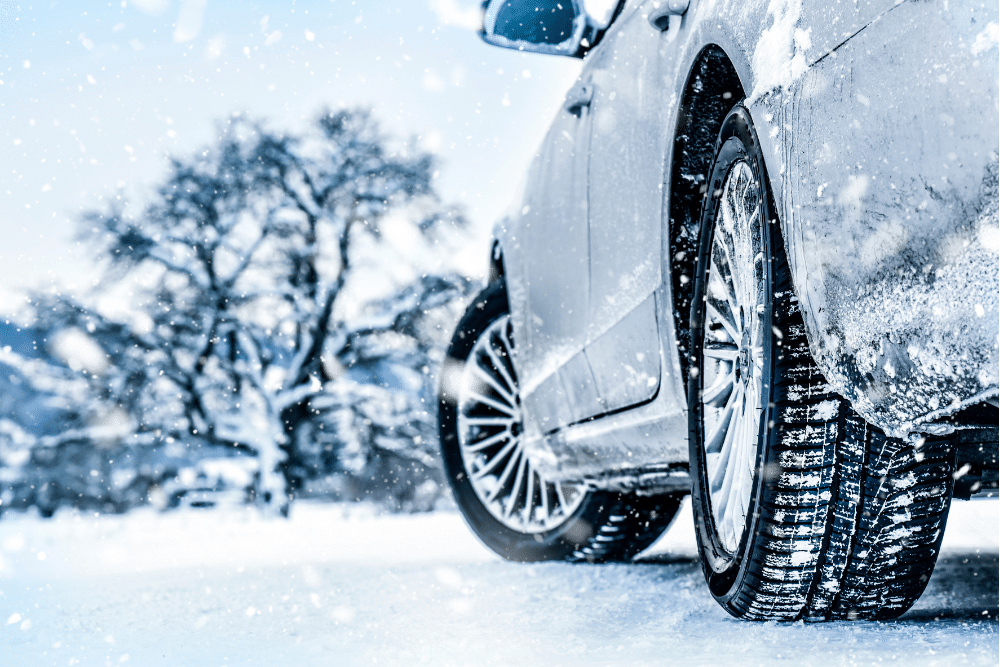
When winter weather arrives in Smyrna and the surrounding areas, your tires become more than just a vehicle component; they’re a critical safety feature. Whether you’re commuting before sunrise, driving through sleet along Route 1, or heading out for a weekend at the Delaware beaches, your tires need to handle sudden temperature drops, icy patches, and wet road conditions. In these situations, having the right type of tire isn’t just about performance; it’s about protecting your family, maintaining control, and staying confident behind the wheel.
Many local drivers ask a common but important question: “Do I really need winter tires, or are all-season tires good enough?” The answer isn’t one-size-fits-all. At Pristine Motorsports, we work with drivers every day to evaluate the best fit based on real-life driving patterns and local road conditions. Our expert technicians will help you understand the differences between tire types so you can make the safest, smartest decision for your vehicle and your peace of mind.
Understanding Your Tire Options for Delaware’s Unpredictable Winters
Delaware winters may not rival those in northern states, but they come with their own set of challenges. Freezing temperatures, early-morning frost, and the occasional sleet or snowstorm can make road conditions unpredictable, especially during peak commuting hours. Even when the roads appear clear, hidden hazards like black ice can catch drivers off guard, making traction and control essential.
Key challenges include:
- Black ice is forming on bridges and overpasses
- Coastal storms are turning beach routes unexpectedly slick
- Long-distance commuting with rapidly shifting weather patterns
If you regularly travel from Smyrna to Wilmington or Philadelphia or even just manage the school run and local errands, your tires must be ready for a range of conditions. From dry pavement to icy backroads in a single trip, your tire choice directly impacts how safely and confidently you can drive through Delaware’s ever-changing winter weather.
How Winter Tires Actually Work in Cold Conditions
Winter tires are specifically engineered for performance in cold climates. When temperatures dip below 45°F, the rubber in all-season tires starts to harden, losing traction. Winter tires stay pliable, helping them grip icy, snowy, and slushy roads more effectively.
Why Winter Tires Perform Better in Cold:
- Flexible rubber compounds that stay soft in low temperatures
- Deeper tread patterns for enhanced snow traction
- Specialized siping that helps clear slush and grip slick surfaces
- Directional tread designs that optimize movement in snow and ice
This translates to shorter stopping distances, better cornering, and a more controlled driving experience during Smyrna’s coldest months.
Ready to prepare for winter? Schedule a tire consultation with the experts at Pristine Motorsports. Call (302) 653-1244 or visit our shop at 1950 S Dupont Blvd, Smyrna, DE 19977.
Why All-Season Tires Remain a Practical Choice
All-season tires are designed for versatility. While they don’t offer the same cold-weather performance as winter tires, they provide year-round usability with decent handling in most weather conditions, especially when Delaware winters remain mild.
When All-Seasons Are a Good Fit:
- Roads are cleared quickly after the snow
- You avoid driving during winter storms
- Your vehicle is equipped with traction/stability systems
- You mostly drive on main highways and roads
- Storing a second set of tires is not convenient
However, when temperatures stay below 45°F, all-season tires stiffen, reducing grip on both wet and dry roads. This impacts braking, handling, and overall safety.
Cost-Efficiency Through Longevity and Maintenance
Choosing between winter and all-season tires isn’t just about upfront expense; it’s about long-term value.
Using winter tires during cold months reduces wear on your all-season set. This rotation helps both sets last longer, stretching your investment over more miles and more seasons.
Smart Maintenance Habits:
- Rotate your tires regularly
- Use dedicated wheels for each set to avoid frequent remounting
- Store off-season tires in a clean, dry space to extend their lifespan
At Pristine Motorsports, we help reduce wear and tear by offering proper balancing and alignments that protect your tire investment long-term.
Personal Factors That Influence Your Tire Decision
The “right” choice depends on your lifestyle and how you use your vehicle in winter.
Consider These Factors:
- Commute length and timing: Early-morning travel on highways increases exposure to icy conditions.
- Family safety: Driving with children on board raises the stakes for needing maximum traction.
- Vehicle type: AWD and traction control help, but they can’t make the hard rubber grip better.
- Risk tolerance: Can you afford to be delayed or stuck during a storm?
Each driver’s needs are different, which is why our ASE-certified team helps you make a choice that fits your routine and comfort level.
When to Switch Your Tires for Maximum Safety
In winter driving, temperature, not snowfall, is the key factor. Once daily highs consistently drop below 45°F, all-season tires begin to lose grip due to stiffening rubber. Waiting for snow can leave you unprepared when icy roads or sudden cold snaps hit. For Delaware drivers, especially those commuting early or late in the day, switching tires before the freeze sets in is essential for safety and control.
Planning helps avoid the seasonal rush and ensures your tires are performing at their best when you need them most. Monitoring temperatures and scheduling early makes the transition smoother and more effective.
Timing Recommendations:
- Install winter tires: Late November, before holiday travel
- Remove them: Late March or early April, once temperatures consistently rise
- Watch the forecast: Act before the first snow, not after
- Inspect before storage: Look for signs of wear or damage
- Schedule early: Avoid delays and limited availability
At Pristine Motorsports, we offer seasonal reminders and flexible scheduling to help you stay ahead of Delaware’s unpredictable winter weather.
Proper Installation Matters: Trust the Experts
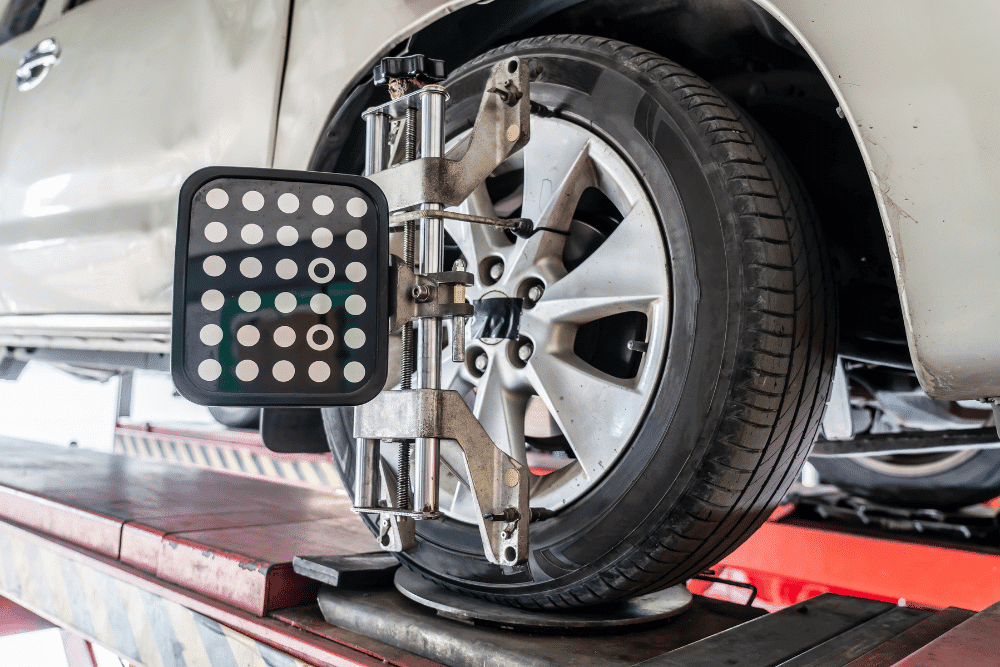
A quality tire deserves professional installation. Our facility is equipped with Hunter Road Force Balancers and Hunter/CEMB alignment systems to ensure every installation is precise and smooth.
Full-Service Tire Support:
- Major brand tires for all vehicles
- Road force balancing for vibration-free driving
- Tire rotations to promote even wear
- Pressure checks to maintain optimal inflation
- Alignment to prevent premature tire wear
- Seasonal changeover with optional storage
From compact cars to one-ton trucks, our shop is built to serve a wide range of vehicles in Smyrna, DE.
Winter Safety Goes Beyond the Tires
Tires are crucial, but your vehicle’s winter readiness also includes several key systems. Cold weather affects everything from battery performance to visibility.
Complete Winter Prep Includes:
- Battery testing: Prevent no-start mornings
- Brake inspections: Ensure full stopping power
- Suspension checks: Keep tires in consistent contact with the road
- Wiper replacements: Maintain clear vision in sleet and snow
- Headlight restoration: Maximize visibility on dark, stormy days
- Fluid checks: Confirm systems are protected and running smoothly
Every oil change at Pristine Motorsports includes a visual maintenance check to catch issues before they leave you stranded.
Environmental Factors and Tire Longevity
Delaware’s coastal location creates added environmental stress on tires, even for drivers who don’t live directly on the shoreline. Between ocean air, road salt, and fluctuating temperatures, your tires are constantly exposed to conditions that can speed up wear and shorten their lifespan. These elements affect both winter and all-season tires and should be factored into your tire maintenance routine.
Common environmental challenges include:
- Salt corrosion from ocean spray and winter road treatments
- Increased rubber breakdown due to frequent temperature swings
- Ozone exposure from nearby electrical systems during storage
These factors can dry out rubber, cause cracking, and compromise overall tire structure if not addressed. The good news? With the right maintenance, you can significantly extend the life of your tires even in coastal conditions like Delaware’s. Here are a few essential care tips:
- Clean tires thoroughly before storage to remove salt, grime, and contaminants
- Maintain proper air pressure year-round, especially during temperature swings
- Store tires in a cool, dry, shaded location away from direct sunlight
- Avoid placing tires near electric motors or furnaces, which emit ozone that degrades rubber
- Use dedicated tire bags or covers to minimize dust and environmental exposure
Pairing these habits with high-quality tires helps ensure lasting performance, better grip, and increased safety no matter what the weather throws your way.
What Local Drivers Are Saying
Our customers frequently tell us how much more confident they feel after switching to winter tires, especially after experiencing their first icy commute. Others stick with high-quality all-season tires and stay alert during bad weather.
Your comfort and driving habits matter. We don’t believe in upselling, only offering the same honest advice we’d give to our own friends and family.
With over 400 reviews with a 4.9-star rating, our customers continue to trust us for expert, ethical service that puts their safety first.
Frequently Asked Questions About Winter and All-Season Tires
How long do winter tires last?
Winter tires typically last between 3 to 4 seasons of use, depending on driving habits, road conditions, and proper maintenance. Most winter tires have a tread depth of around 10/32 to 12/32 inches when new and should be replaced when they wear down to 5/32 inches. Regular rotation and proper storage during off-seasons can help extend their lifespan.
Can you use winter tires all year?
Winter tires are not recommended for year-round use because their soft rubber compound wears down quickly in warm temperatures above 45°F. Using winter tires in spring and summer leads to faster tread wear, reduced fuel efficiency, and compromised handling on dry, hot pavement. Switching to all-season or summer tires when temperatures consistently rise protects your investment and maintains optimal performance.
Do all-wheel drive vehicles need winter tires?
All-wheel drive helps with acceleration and traction but does not improve braking or cornering on ice and snow, which is where winter tires make the biggest difference. Winter tires provide superior grip in cold conditions regardless of drivetrain type. Even AWD vehicles benefit significantly from winter tires when temperatures drop below 45°F or road conditions become slippery.
When should you put winter tires on?
Winter tires should be installed when daytime temperatures consistently fall below 45°F, typically in late November before the first snowfall or ice event. Waiting until after the first storm can leave you unprepared for sudden icy conditions or black ice on roads. Scheduling your tire changeover early ensures availability and allows you to drive safely through the entire winter season.
Schedule Your Winter Tire Consultation at Pristine Motorsports in Smyrna, DE
Winter in Delaware can be unpredictable, but your safety doesn’t have to be. At Pristine Motorsports, we’re ready to help you prepare for whatever the season brings.
Whether you’re leaning toward the added control of winter tires or the convenience of all-seasons, our team will help you make an informed, practical choice based on your driving needs and lifestyle.
Visit us at 1950 S Dupont Blvd, Smyrna, DE 19977, or call (302) 653-1244 to schedule your personalized tire consultation. We offer drop-off service and flexible scheduling options.