- Blog
- Winter vs. All-Season Tires: Expert Guide for Smyrna, DE Drivers
When Delaware temperatures drop and roads get slick, choosing between winter tires and all-season tires can mean the difference between confident driving and white-knuckling through your commute. At Pristine Motorsports in Smyrna, DE, we help local drivers make informed tire decisions that keep them safe on Route 13, I-95, and neighborhood streets throughout Kent County. Whether you’re commuting to Philadelphia or heading to Rehoboth Beach on winter weekends, understanding tire performance in cold weather helps you stay in control when conditions get challenging.
Delaware’s unpredictable winter weather creates unique tire challenges. While we don’t face Minnesota-level snowfall, our mix of freezing rain, occasional snow, and fluctuating temperatures demands tires that perform reliably below 45°F. The right tire choice protects your family, reduces stopping distances on icy roads, and gives you peace of mind during your daily drive.
How Delaware’s Winter Weather Affects Tire Performance
Temperature Fluctuations and Road Conditions
Delaware experiences frequent temperature swings that create challenging driving surfaces. Morning ice patches melt by afternoon, only to refreeze overnight. This freeze-thaw cycle makes roads unpredictable, especially on bridges and overpasses along Route 1 and Route 13 near Smyrna.
All-season tires use rubber compounds that harden when temperatures drop below 45°F, reducing traction significantly. Winter tires maintain flexibility in cold conditions, keeping better contact with the road surface. Here’s what happens to different tire types in Delaware’s typical winter conditions:
- Below 45°F: All-season tire rubber stiffens, reducing grip by up to 50%
- Freezing rain events: Winter tires provide 25-30% shorter stopping distances
- Black ice patches: Specialized tread compounds maintain traction on nearly invisible hazards
- Wet winter roads: Deeper grooves channel water and slush more effectively
Common Winter Driving Scenarios in Kent County
Smyrna residents face specific winter driving challenges that influence tire needs. Your morning commute north on Route 13 might start with clear roads, but patchy ice often forms on shaded sections near the Leipsic River. Weekend trips to Delaware beaches involve highway speeds where sudden weather changes can catch drivers off guard.
Local drivers regularly navigate parking lots with compacted snow, residential streets that receive delayed plowing, and the DuPont Boulevard stretch where wind creates unpredictable conditions. Winter tires excel in all these situations, while all-season tires may struggle when temperatures stay consistently cold.
Understanding Winter Tire Technology
Rubber Compound Differences
The biggest difference between winter and all-season tires isn’t just the tread pattern. Winter tire rubber contains higher percentages of natural rubber and silica, which stay pliable in freezing temperatures. This flexibility allows the tire to conform to microscopic road irregularities, creating more contact points and better grip.
All-season tires use harder rubber compounds designed to last longer in warm weather and provide decent year-round performance. However, this compromise means they can’t match winter tire performance when temperatures drop.
Tread Pattern Design
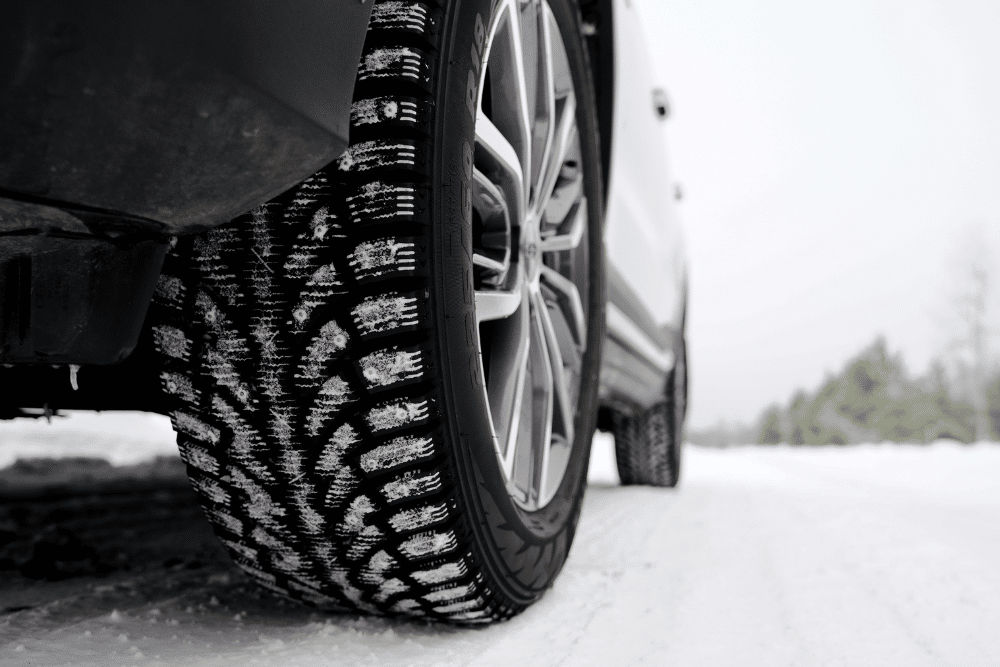
Winter tire treads feature distinctive characteristics you won’t find on all-season options:
- Deeper tread blocks: Typically 2-3 mm deeper to bite through snow and slush
- Sipes: Thousands of tiny slits that create gripping edges on ice
- Wider grooves: Enhanced channels that evacuate water and prevent hydroplaning
- Aggressive shoulder blocks: Improved cornering stability on slippery surfaces
These design elements work together to maintain control during acceleration, braking, and cornering. When you’re driving through Smyrna on a cold January morning, these details matter more than you might expect.
The Mountain Snowflake Symbol
Look for the three-peak mountain snowflake (3PMSF) symbol on tire sidewalls. This certification means the tire has passed specific winter traction performance tests, meeting industry standards for severe snow conditions. All-season tires typically don’t earn this certification because they can’t meet the threshold requirements.
All-Season Tire Performance and Limitations
Year-Round Versatility Benefits
All-season tires offer convenience that appeals to many Delaware drivers. You don’t need to swap tires twice yearly, store an extra set, or schedule seasonal changeovers. For drivers who rarely encounter severe winter conditions or primarily drive in well-maintained areas, all-season tires provide adequate performance most of the time.
Modern all-season designs have improved significantly over the past decade. They handle light snow reasonably well, offer comfortable rides, and deliver long tread life.
Where All-Season Tires Fall Short
The “all-season” name creates false confidence. These tires represent compromise engineering, sacrificing peak winter performance for year-round usability. Critical limitations include:
- Extended stopping distances: Up to 30% longer on ice compared to winter tires
- Reduced cornering stability: Less predictable handling on cold, wet pavement
- Poor performance on packed snow: Limited ability to find traction when roads aren’t fully cleared
- Compromised acceleration: More wheelspin when starting from stops on slippery surfaces
If you commute to Wilmington or Philadelphia during the winter months, drive frequently at night when temperatures drop, or simply want maximum safety for your family, all-season tires may not provide the protection you need.
Safety and Performance Comparison
Stopping Distance Data
Real-world testing reveals dramatic differences between tire types. When stopping from 30 mph on ice, winter tires consistently stop 20-30 feet shorter than all-season tires. That distance could mean the difference between stopping safely and hitting the vehicle ahead of you at the red light on South DuPont Boulevard.
Tests conducted at 45°F show winter tires maintain 90-95% of their optimal grip, while all-season tires drop to 60-70% effectiveness.
Handling and Acceleration Performance
Winter tires provide predictable handling characteristics when navigating curves, roundabouts, and interstate ramps in cold conditions. The softer rubber compound and specialized tread design help you maintain your intended path rather than sliding wide through turns.
Delaware’s relatively flat terrain means hill climbing rarely challenges drivers, but getting moving from stopped positions tests tire traction constantly. Winter tires bite into snow and ice more effectively, reducing wheelspin and helping you merge safely into traffic.
Cost Analysis for Smyrna Drivers
Initial Investment and Long-Term Value
Quality winter tires require an upfront investment that varies by vehicle size, with installation adding to the total. However, for Smyrna drivers running winter tires only during cold months (roughly November through March in Delaware), your all-season tires aren’t wearing. You’re essentially spreading tire wear across two sets, extending the total lifespan of both.
Consider these financial factors over a typical 3-5 year tire lifecycle:
- Accident avoidance: Preventing even one weather-related incident saves thousands
- Tire longevity: Running appropriate tires seasonally extends overall tire life by 30-40%
- Fuel efficiency: Winter tires on cold roads often match all-season rolling resistance
At Pristine Motorsports, we help Smyrna drivers understand the total cost of ownership rather than just sticker prices. We also offer flexible financing through Snap Auto Finance, making it easier to invest in the protection your family deserves.
Ready to upgrade your winter driving safety? Schedule your tire service at Pristine Motorsports, 1950 S DuPont Blvd, Smyrna, DE 19977, or call (302) 653-1244 for expert tire recommendations.
Why Choose Pristine Motorsports for Your Tire Services in Smyrna, DE
Choosing the right tires requires understanding your specific driving patterns, vehicle requirements, and budget considerations. Our ASE-certified technicians at 1950 S DuPont Blvd have decades of combined experience helping Smyrna families make informed tire decisions. We only recommend services we’d suggest to our own friends and family, which means honest advice about whether winter tires truly benefit your situation.
Expert Tire Selection and Professional Installation:
- Stock quality tire brands for Ford, Honda, Toyota, Hyundai, Kia, Nissan, BMW, Mercedes, Lexus, and Infiniti
- Complete visual inspection of brake components and suspension
- Hunter Road Force Balancing for smooth, vibration-free driving
- Proper torque specifications for your specific vehicle
- Digital vehicle inspection photos uploaded to autotext.me for your records
We use Hunter and CEMB alignment machines to ensure your new tires wear evenly and your vehicle tracks straight. We stand behind our work with a 12-month/12,000-mile warranty, whichever comes first.
Convenient Amenities and Flexible Scheduling:
- Waiting room with WiFi
- Loaner cars when available
- Shuttle service for local appointments
- Secure drop box for after-hours convenience
- Online payment options
Call us at (302) 653-1244 to discuss your tire needs and schedule your service at a time that fits your life.
FAQs About Winter Tires and All-Season Tires in Delaware
At what temperature do winter tires outperform all-season tires?
Winter tires outperform all-season tires when temperatures drop below 45°F because their rubber compounds stay flexible in cold conditions. All-season tire rubber hardens, reducing traction significantly even on dry pavement.
Can I use winter tires year-round in Smyrna?
No, winter tires should not be used year-round because their soft rubber wears extremely quickly in warm weather. They’re designed for temperatures below 45°F and deteriorate rapidly during hot Delaware summers.
Do I need four winter tires, or can I just put them on the drive wheels?
You need four winter tires for safe handling because mismatched traction between axles creates dangerous instability. Installing winter tires only on drive wheels causes unpredictable handling during braking and cornering on slippery surfaces.
How many winters do winter tires typically last?
Winter tires typically last 4-6 seasons, depending on mileage, because they’re only used during cold months. Proper off-season storage in cool, dry locations away from sunlight preserves rubber compounds and extends lifespan.
Schedule Your Tire Service in Smyrna, DE Today
Ready to prepare your vehicle for Delaware’s winter roads? Whether you choose winter tires for maximum cold-weather performance or quality all-season tires for year-round convenience, Pristine Motorsports provides expert tire services that keep Smyrna drivers safe. Our ASE-certified technicians offer honest recommendations based on your driving needs, not sales quotas.
Visit us at 1950 S DuPont Blvd, Smyrna, DE 19977, or call (302) 653-1244 to discuss your tire options. We’ll help you select the perfect tires, schedule convenient installation, and ensure proper balancing and alignment for optimal performance. With over 400 reviews and a 4.9-star rating, our commitment to honest repair at excellent value has made us Kent County’s trusted tire shop. Let’s get your vehicle ready for whatever winter brings.