- Blog
- Winter Car Battery Problems: Did Your Battery Survive in Smyrna, DE?
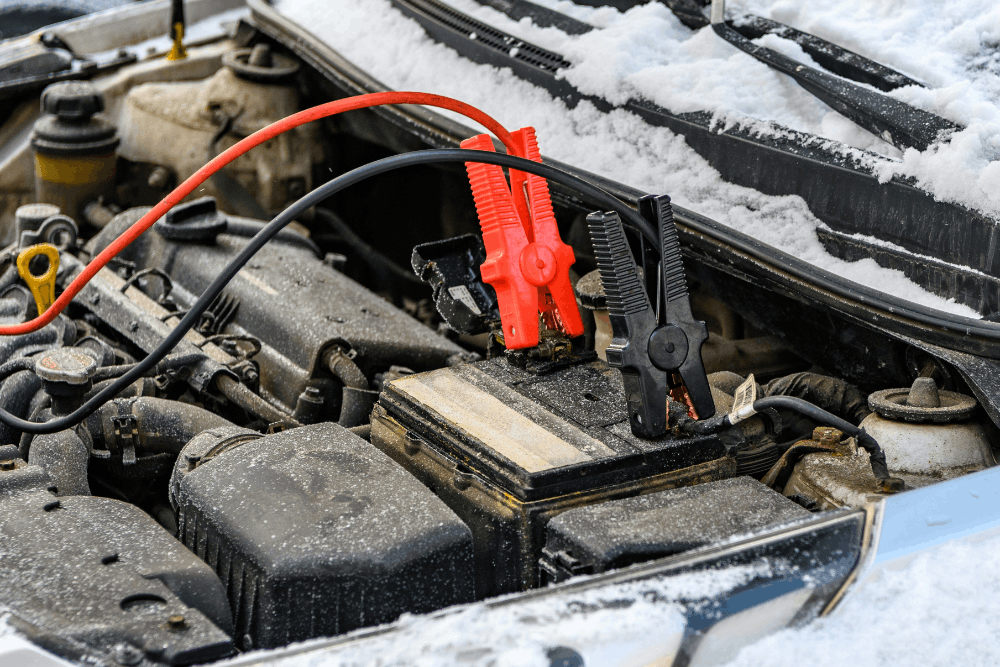
TL;DR: Winter has stressed every battery in Smyrna. If your car is over 3 years old, struggled to start this winter, or shows dim lights/slow cranking, get it tested now. Batteries weakened by cold often fail in spring and summer heat. Professional testing at Pristine Motorsports reveals if yours survived or needs replacement before it leaves you stranded.
If your car has struggled to start on cold Delaware mornings during winter, you’re not alone. Cold weather tests every battery in Smyrna. Cold weather reduces your car battery’s power by up to 60% at zero degrees, while your engine demands significantly more energy to start. At Pristine Motorsports in Smyrna, DE, we help drivers understand whether their battery will make it through spring and summer after the stress winter has placed on it.
Your car battery works overtime during cold months. The chemical reactions inside slow dramatically during every cold morning, producing less power when your engine needs more of it. Meanwhile, thickened motor oil and constant use of heaters and defrosters place additional strain on an already weakened battery. For Smyrna drivers commuting to Philadelphia or planning spring trips to Delaware’s beaches, testing after winter gives you control over when and where a replacement happens if needed. This guide will walk you through the science behind winter battery damage, the warning signs that indicate hidden problems, and why testing after cold weather prevents being stranded as warmer weather arrives.
How This Winter Has Already Affected Your Car Battery in Smyrna
Understanding what happens inside your battery throughout winter helps you assess whether it needs attention before spring. Car batteries generate electricity through chemical reactions between lead plates and an electrolyte solution. Every time temperatures drop during winter, these reactions slow dramatically because cold temperatures reduce ion mobility and increase the electrolyte’s viscosity. Think of it like trying to pour cold honey versus warm honey. Everything moves more slowly during cold weather, and your battery produces less power as a result.
The Chemistry Behind Winter Battery Damage
At 32 degrees Fahrenheit, your battery loses about 20% of its capacity, and at zero degrees, it can lose nearly 50%. This happens repeatedly throughout winter weeks. The electrolyte solution that carries electrical current between the battery’s plates becomes sluggish in cold conditions. The chemical reaction that produces electricity requires energy to overcome what scientists call activation energy, and every cold morning makes this threshold harder to reach.
At 40% state of charge, a battery’s electrolyte can freeze at just 17 degrees Fahrenheit, while a fully charged battery won’t freeze until negative 27 degrees. If your battery operates at partial charge during winter, it may experience internal stress from near-freezing conditions. Even if it hasn’t completely frozen, repeated exposure to extreme cold can damage internal components and reduce its ability to hold a charge going forward.
The Cumulative Stress on Your Engine and Battery
While your battery produces less power during cold weather, your engine simultaneously requires more energy to start. A car engine needs about 30% more energy to start when temperatures drop to freezing. Every cold start during winter causes your motor oil to thicken, creating resistance that makes it harder for the starter motor to turn the engine over. Your battery has to deliver up to twice its normal current just to crank a cold engine, day after day.
This repeated challenge throughout winter creates cumulative wear on your battery. Smyrna drivers who primarily take short trips face an additional problem because the alternator hasn’t had enough time to fully recharge the battery between starts. If you make quick runs to local shops or drop kids at school during winter, your battery gradually loses capacity without getting the 20 to 30 minutes of driving time needed for a full recharge after each cold start.
Winter's Electrical Demands Have Drained Battery Reserve
Winter driving in Delaware means relying heavily on electrical accessories every day. Your heater, defroster, heated seats, headlights, and windshield wipers all draw power from your battery throughout the season. These accessories increase strain on a battery that’s already weakened by cold temperatures. Every electrical feature you use requires energy, and when your battery operates at reduced capacity, these demands steadily deplete its reserve strength.
Many Smyrna drivers don’t realize that sitting in a heated car while it warms up drains a cold battery faster than usual. The combination of reduced battery capacity and increased accessory use throughout winter explains why some batteries that worked perfectly in fall are showing signs of struggle after cold weather.
Warning Signs Smyrna Winter Has Damaged Your Battery
Your battery may be showing warning signs that indicate it won’t make it through spring and summer. These signals tell you that winter’s stress has taken a toll, and catching these problems after cold weather can save you from being stranded as temperatures rise.
Slow Engine Cranking
If your engine takes longer to turn over when you start the car, this typically indicates winter has reduced your battery’s power reserve. You might notice the starter motor sounds more sluggish or labored than it did in fall, especially on mornings that are still chilly. This happens because your battery can’t deliver enough current to spin the starter at normal speed. What should be a quick, confident start has become hesitant and drawn out.
Dim or Flickering Lights
Your headlights and interior lights may appear weaker than they did before winter, particularly when the engine is idling. Dashboard lights might flicker or dim when you turn on additional accessories like the heater or radio. This suggests winter’s repeated stress has reduced your battery’s ability to maintain adequate voltage to power all your vehicle’s electrical systems simultaneously.
Clicking Sound When Starting
A rapid clicking noise when you turn the key usually means your battery doesn’t have enough power left to engage the starter motor. The starter solenoid clicks repeatedly as it tries to draw current, but the battery can’t deliver the necessary amperage. If you’ve experienced this even once during cold weather, your battery has already shown it’s near the end of its usable life.
Dashboard Warning Lights
A battery or charging system warning light on your dashboard should never be ignored. Sometimes a battery weakened by winter can trigger a check engine light even though the engine itself is fine. These warning indicators tell you that your vehicle’s computer has detected a problem with the electrical system that needs immediate attention before it leaves you stranded.
Electrical System Glitches
Power windows that move more slowly than they used to, a radio that cuts out, or climate controls that behave erratically can all point to battery problems caused by winter stress. Modern vehicles rely heavily on stable electrical power, and a battery damaged by cold weather creates voltage fluctuations that affect these sensitive systems.
Concerned about whether your battery will make it through spring? Schedule a battery test at Pristine Motorsports, 1950 S Dupont Blvd, Smyrna, DE 19977, or call us at (302) 653-1244. Our ASE-certified technicians use professional diagnostic equipment to assess whether winter has weakened your battery beyond safe operating levels.
Last Summer's Heat Plus Winter's Cold Equals Battery Failure
Many Smyrna drivers don’t realize that last summer did most of the damage to their car batteries. High temperatures accelerated internal battery corrosion and caused the electrolyte solution to evaporate. That heat damage weakened the battery’s internal structure and reduced its ability to hold a charge. Winter’s cold weather simply reveals the hidden damage from months earlier.
Delaware’s humid summers are particularly hard on batteries. The combination of heat and humidity speeds up the corrosion process inside the battery. By the time fall arrives, your battery is already significantly weakened, even if it’s still starting your car without obvious problems. The cold snaps experienced during winter are the final stress that reveals which batteries were damaged beyond recovery.
This is why we see so many battery failures after winter weather. A battery that survived December and January may still fail in the coming weeks or months because the cumulative stress has finally exceeded what it can handle. Testing your battery after winter gives you control over when and where a replacement happens instead of dealing with a no-start situation at the worst possible moment.
Why Battery Testing Now Prevents Spring Breakdowns
Professional battery testing is the only reliable way to know if your battery will survive beyond winter. At Pristine Motorsports, we use specialized equipment to measure your battery’s condition after the stress it’s experienced, not just its current voltage. Our testing evaluates cold cranking amps and remaining capacity to determine whether your battery can handle the months ahead.
What Our Battery Testing Reveals After Winter
Our comprehensive battery service examines multiple factors that indicate whether winter has caused permanent damage. We test the battery’s ability to hold a charge under load conditions and measure how much capacity remains compared to when it was new. We also check your alternator to ensure it’s properly recharging the battery while you drive. Additionally, we inspect battery terminals and cables for corrosion that develops over winter and can impede electrical flow.
Understanding Remaining Battery Capacity
Cold cranking amps, or CCA, measure a battery’s starting power in freezing conditions. This rating tells you how many amps a battery can deliver for 30 seconds at zero degrees while maintaining adequate voltage. After winter’s stress, many batteries no longer meet their original CCA specifications even if they still start your car on warmer days. We verify your battery still meets or exceeds your vehicle’s CCA requirements and has enough reserve capacity left for reliable operation through spring and summer.
Battery Age Plus Smyrna Winter Stress Means Replacement
Most car batteries last three to five years under normal conditions, but winter’s stress dramatically shortens this lifespan for older batteries. If your battery is over three years old and has just gone through a Delaware winter, testing becomes essential. At Pristine Motorsports, we maintain detailed service records through our Omnique shop software, so we know exactly when your battery was installed and can assess whether winter’s stress has pushed it beyond safe operating life.
Smyrna Spring Maintenance Tips for Batteries That Survived Winter
If testing shows your battery is still healthy after winter’s stress, taking a few preventive steps can help it last through spring and into summer. These maintenance practices protect your investment and prevent problems as warmer weather arrives.
Clean Winter Corrosion from Battery Terminals
Corrosion at battery terminals often develops during winter months and creates resistance that reduces power delivery. White or blue-green crusty buildup around the terminals and cable connections should be cleaned promptly after winter ends. This simple maintenance step can prevent starting problems and extend battery life. If you notice corrosion or want to ensure proper electrical connections, schedule a battery inspection at Pristine Motorsports to prevent starting problems and extend battery life.
Give Your Battery Recovery Time
Your alternator needs adequate time to fully recharge your battery after the stress it’s experienced during winter. Plan to drive for at least 20 to 30 minutes during your trips, especially as you transition out of winter driving patterns. Highway driving works better than stop-and-go traffic because the alternator produces more power at higher engine speeds. This recovery period helps restore your battery’s full capacity after months of cold-weather operation.
Prepare for Summer's Heat
As we move toward spring and summer, remember that high temperatures will be the next major stress on your battery. If your battery barely survived winter, it likely won’t handle summer’s heat. The same heat damage that sets up winter problems will happen again, but to a battery that’s already weakened. Testing after cold weather and replacing if necessary prevents you from facing battery failure during summer’s hottest days.
Don't Ignore Marginal Test Results
If battery testing shows your battery is marginal or weak after winter, replacement soon is almost always the smart choice. A battery that tests borderline after cold weather will very likely fail during spring or summer when you least expect it. The cost of proactive replacement is far less than dealing with a breakdown during a family trip to the beach or while stuck in traffic on the way to Philadelphia.
Why Choose Pristine Motorsports for Your Car Battery in Smyrna, DE
At Pristine Motorsports, we’ve built our reputation on honest repair at excellent value. Our shop has the expertise and equipment to properly diagnose whether winter has damaged your battery and recommend solutions we’d suggest to our own friends and family. We don’t push unnecessary replacements. If your battery can make it through spring and summer, we’ll tell you. If it needs replacement after winter’s stress, we’ll explain exactly why.
Our Car Battery Service Includes:
- Four-bay shop fully equipped to handle battery service for all vehicle types, from compact cars to one-ton trucks
- Quality replacement batteries matched to Delaware’s climate extremes
- Complete installation service with terminal cleaning, cable inspection, and charging system verification
- 12-month or 12,000-mile warranty, whichever comes first
- Financing available through Snap Auto Finance to make quality repairs affordable
- Convenient amenities, including comfortable waiting room, loaner car, and shuttle service
- Over 400 reviews with a 4.9-star rating from Smyrna drivers who trust us to keep their vehicles reliable
- Family-focused service supporting commuters heading to Philadelphia, beach trips, and everyday transportation needs
When you need to know if your battery survived winter, we’re here to help with honest answers and expert service.
FAQs About Winter Car Battery Problems
Why does cold weather kill car batteries?
Cold weather slows the chemical reactions inside batteries, reducing power output by up to 60% while engines simultaneously need 30% more energy to start. Repeated exposure throughout winter causes cumulative damage that can permanently reduce a battery’s capacity and lifespan.
How long should a car battery last after a harsh winter?
Most car batteries last three to five years total, but a harsh winter can be the final stress that ends an older battery’s life. Batteries over three years old that just survived winter should be tested to determine remaining capacity and expected lifespan.
Can a car battery recover after winter cold damage?
Batteries don’t truly recover from winter damage. If cold weather has caused internal plate damage, sulfation, or capacity loss, these effects are permanent. Testing reveals whether damage is severe enough to require replacement or if the battery still has adequate capacity remaining.
When should I replace my battery after winter?
Replace your battery if testing shows significantly reduced capacity, if it’s over three years old and struggled during winter, or if you’ve experienced any starting problems. Spring replacement prevents summer failure when heat adds additional stress to an already weakened battery.
Schedule Your Post-Winter Battery Test in Smyrna Today
Don’t wait to find out if your battery will fail during spring’s first warm day or summer’s heat. After a harsh winter, testing gives you control over when and where a replacement happens if needed. Our technicians can assess your battery’s remaining capacity in just minutes and give you honest advice about whether it will make it through the months ahead.
Schedule your battery inspection today at Pristine Motorsports, 1950 S Dupont Blvd, Smyrna, DE 19977, or call us at (302) 653-1244. We’ll make sure you know whether your battery survived winter’s test or needs replacement before it leaves you stranded. Visit us online to book your appointment, and let our team help you transition from winter to spring with confidence in your vehicle’s reliability.